
What Is Activism
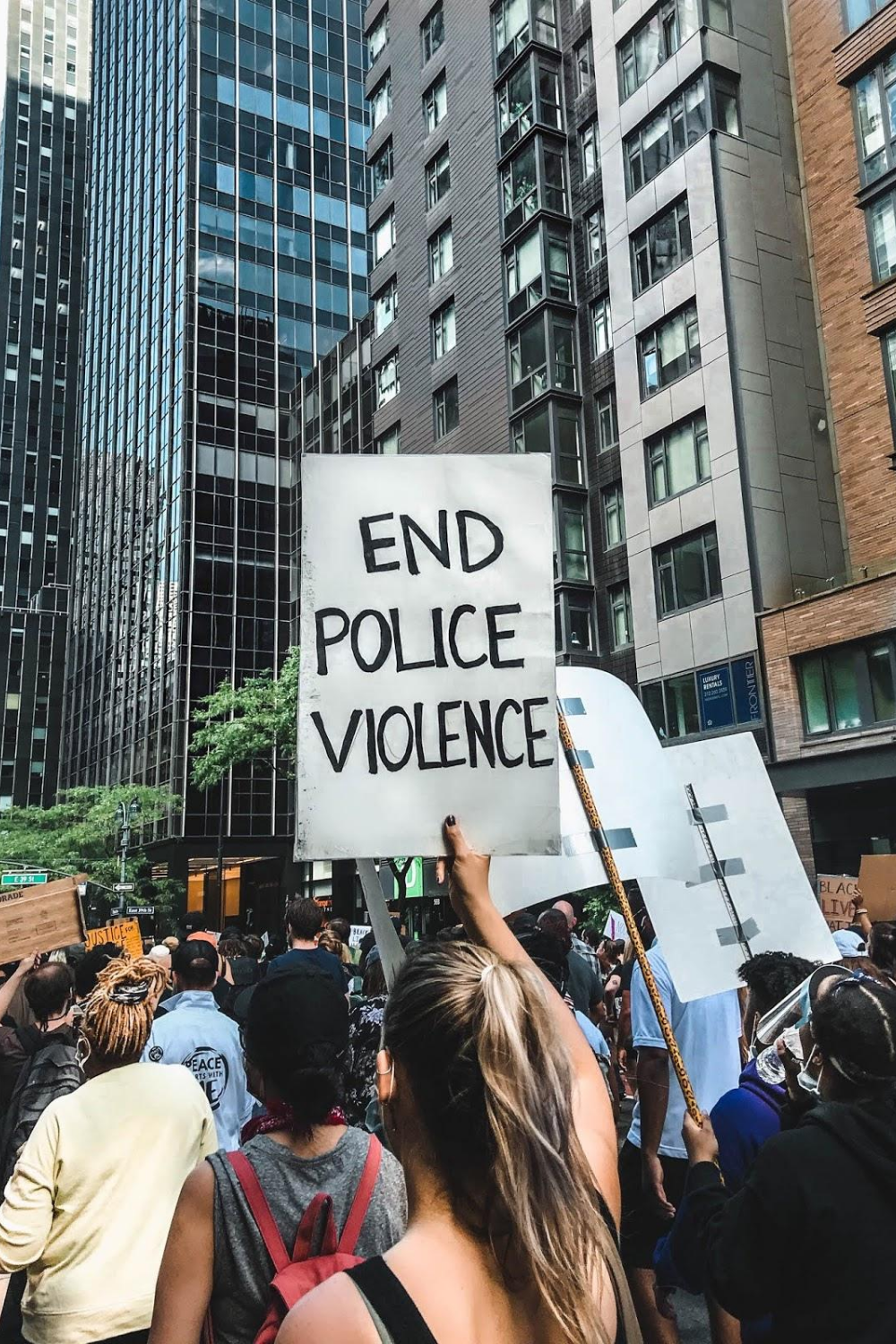
Activism consists of efforts to promote, impede, direct, or intervene in social, political, economic, legal, or environmentalreform with the desire to make changes in society toward a perceived greater good. Forms of activism range from mandate building in the community (including writing letters to newspapers), petitioning elected officials, running or contributing to a political campaign, preferential patronage (or boycott) of businesses, and demonstrative forms of activism like rallies, street marches, strikes, sit-ins, or hunger strikes.
Activism may be performed on a day-to-day basis in a wide variety of ways, including through the creation of art (artivism), computer hacking (hacktivism), or simply in how one chooses to spend their money (economic activism). For example, the refusal to buy clothes or other merchandise from a company as a protest against the exploitation of workers by that company could be considered an expression of activism. However, the most highly visible and impactful activism often comes in the form of collective action, in which numerous individuals coordinate an act of protest together in order to make a bigger impact. Collective action that is purposeful, organized, and sustained over a period of time becomes known as a social movement.
Historically, activists have used literature, including pamphlets, tracts, and books to disseminate or propagate their messages and attempt to persuade their readers of the justice of their cause. Research has now begun to explore how contemporary activist groups use social media to facilitate civic engagement and collective action combining politics with technology.
Definitions of activism
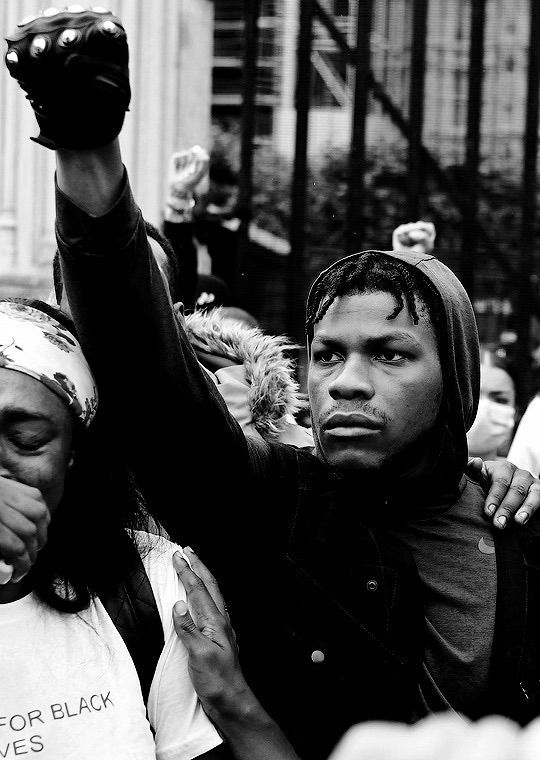
The Online Etymology Dictionary records the English words "activism" and "activist" as in use in the political sense from the year 1920 or 1915 respectively.
The history of the word activism traces back to earlier understandings of collective behavior and social action.
As late as 1969 activism was defined as "the policy or practice of doing things with decision and energy", without regard to a political signification, whereas social action was defined as "organized action taken by a group to improve social conditions", without regard to normative status. Following the surge of so-called "new social movements" in the United States in the 1960s, a new understanding of activism emerged as a rational and acceptable democratic option of protest or appeal.
However, the history of the existence of revolt through organized or unified protest in recorded history dates back to the slave revolts of the 1st century BC(E) in the Roman Empire, where under the leadership of former gladiator Spartacus 6,000 slaves rebelled and were crucified from Capua to Rome in what became known as the Third Servile War.
In English history, the Peasants' Revolt erupted in response to the imposition of a poll tax, and has been paralleled by other rebellions and revolutions in Hungary, Russia, and more recently, for example, Hong Kong.
In 1930 under the leadership of Mahatma Gandhi thousands of protesting Indians participated in the Salt March, as a protest against the oppressive taxes of their government, resulting in the imprisonment of 60,000 people and eventually independence of their nation.
In nations throughout Asia, Africa and South America, the prominence of activism organized by social movements and especially under the leadership of civil activists or social revolutionaries has pushed for increasing national self-reliance or, in some parts of the developing world, collectivist communist or socialist organization and affiliation. Activism has had major impacts on Western societies as well, particularly over the past century through social movements such as the Labour movement, the Women's Rights movement, and the civil rights movement.
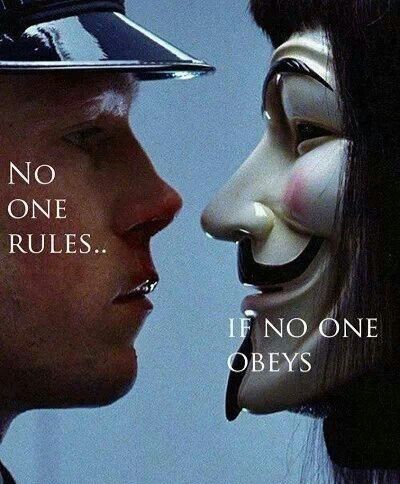
Types of activism
Activists can function in a number of roles, including judicial, environmental, internet (technological) and design (art).
Historically, most activism has focused on creating substantive changes in the policy or practice of a government or industry.
Some activists try to persuade people to change their behavior directly (see also direct action), rather than to persuade governments to change laws.
For example, the cooperative movement seeks to build new institutions which conform to cooperative principles, and generally does not lobby or protest politically. Other activists try to persuade people or government policy to remain the same, in an effort to counter change.
Activism is not an activity always performed by those who profess activism as a profession.
The term ″activist″ may apply broadly to anyone who engages in activism, or narrowly limited to those who choose political or social activism as a vocation or characteristic practice.
Judicial and citizen activism
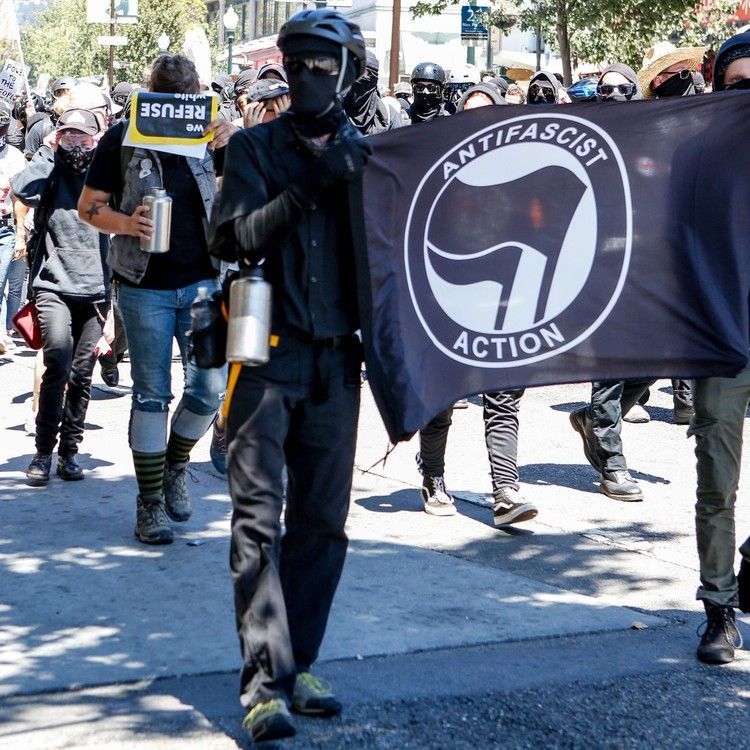
Judicial activism involves the efforts of public officials.
Arthur Schlesinger, Jr. - American historian, public intellectual, and social critic - introduced the term "judicial activism" in a January 1946 Fortune magazine article titled "The Supreme Court: 1947".
Activists can also be public watchdogs and whistle blowers, attempting to understand all the actions of every form of government that acts in the name of the people and hold it accountable to oversight and transparency. Activism involves an engaged citizenry.
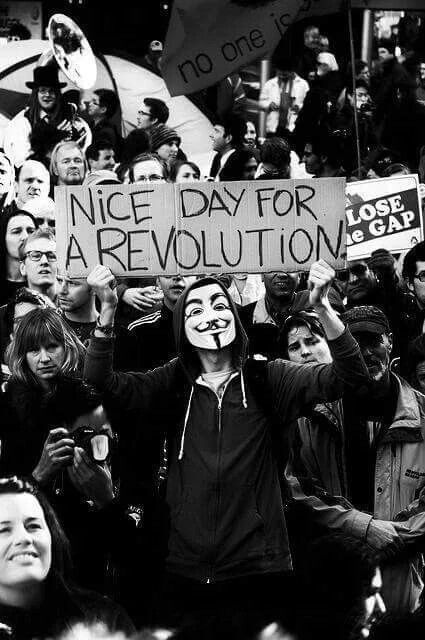
Environmental activism
Environmental activism takes quite a few forms the protection of nature or the natural environment driven by a utilitarian conservation ethic or a nature oriented preservationist ethic.
the protection of the human environment (by pollution prevention or the protection of cultural heritage or quality of life).
the conservation of depletable natural resources.the protection of the function of critical earth system elements or processes such as the climate.

Internet activism

Further information:Internet activism,Hacktivism,Online social movement,Anonymous (group),Digital rights,Category:Internet activism, andActivism in the tech industry
The power of Internet activism came into a global lens with the Arab Spring protests starting in late 2010.
People living in the Middle East and North African countries that were experiencing revolutions used social networking to communicate information about protests, including videos recorded on smart phones, which put the issues in front of an international audience.
This was the one of the first occasions in which social networking technology was used by citizen-activists to circumvent state-controlled media and communicate directly with the rest of the world.
These types of practices of Internet activism were later picked up and used by other activists in subsequent mass mobilizations, such as the 15-M Movement in Spain in 2011, Occupy Gezi in Turkey in 2013, and more.
Internet activism may also refer to activism which focuses on protecting or changing the Internet itself, also known as digital rights.
The Digital Rights movement[24] consists of activists and organizations, such as the Electronic Frontier Foundation, who work to protect the rights of people in relation to new technologies, particularly concerning the Internet and other information and communications technologies.
Activism in literature

Activism in literature (not to be confused with literary activism) includes the expression of intended or advocated reforms, realized or unachieved, through published, written or verbally promoted or communicated forms.
Economic activism

Economic activism involves using the economic power of government, consumers, and businesses for social and economic policy change.
Both conservative and liberal groups use economic activism to as a form of pressure to influence companies and organizations to oppose or support particular political, religious, or social values and behaviors.
This is typically done either through preferential patronage to reinforce "good" behavior and support companies one would like to succeed, or through boycott or divestment to penalize "bad" behavior and pressure companies to change or go out of business.
Brand activism is the type of activism in which business plays a leading role in the processes of social change.
Applying brand activism, businesses show concern for the communities they serve, and their economic, social, and environmental problems, which allows businesses to build sustainable and long-term relationships with the customers and prospects.
Kotler and Sarkar defined the phenomenon as an attempt by firms to solve the global problems its future customers and employees care about.
Consumer activism consists of activism carried out on behalf of consumers for consumer protection or by consumers themselves.
For instance, activists in the free produce movement of the late 1700s protested against slavery by boycotting goods produced with slave labor.
Today, vegetarianism, veganism, and freeganism are all forms of consumer activism which boycott certain types of products.
Other examples of consumer activism include simple living, a minimalist lifestyle intended to reduce materialism and conspicuous consumption, and tax resistance, a form of direct action and civil disobedience in opposition to the government that is imposing the tax, to government policy, or as opposition to taxation in itself.
Shareholder activism involves shareholders using an equity stake in a corporation to put pressure on its management.
The goals of activist shareholders range from financial (increase of shareholder value through changes in corporate policy, financing structure, cost cutting, etc.) to non-financial (disinvestment from particular countries, adoption of environmentally friendly policies, etc.).
Visual Activism
Design Activism locates design at the center of promoting social change, raising awareness on social/political issues, or questioning problems associated with mass production and consumerism. Design Activism is not limited to one type of design.
Art Activism or Artivism utilizes the medium of visual art as a method of social or political commentary.
Fashion activism was coined by Celine Semaan. Fashion activism is a type of activism that ignites awareness by giving consumers tools to support change, specifically in the fashion industry.
It has been used as an umbrella term for many social and political movements that have taken place in the industry. Fashion Activism uses a participatory approach to a political activity.
Craft activism or Craftivism is a type of visual activism that allows people to bring awareness to political or social discourse. It is a creative approach to activism as it allows people to send short and clear messages to society.
People who contribute to craftivism are called "craftivists"

Science activism
- While scientists have been traditionally less likely to be politically active as scientists yet aware of the need to better communicate the benefits of science, perception of increased politicized discrediting of science has motivated some scientists and science advocates to embrace an activist approach, such as that demonstrated in the March for Science.
- Some see activism as a way to get "out of the lab" and enhance communication efforts. Approaches to science activism vary from more aggressive protests to suggestions that such activism should also include a more psychological, marketing-oriented component that takes into account such factors as individual sense of self, aversion to solutions to problems, and social perceptions

Methods
Activists employ many different methods, or tactics, in pursuit of their goals.
Decisions over what tactics to use or not may be planned carefully in advance, result from negotiations with law enforcement such as when and where to hold a rally, or be made in the heat of the moment. The tactics chosen are significant because they can determine how activists are perceived and what they are capable of accomplishing.
For example, nonviolent tactics generally tend to garner more public sympathy than violent ones and are more than twice as effective in achieving stated goals.
Charles Tilly developed the concept of a "repertoire of contention," which describes the full range of tactics available to activists at a given time and place.
This repertoire consists of all of the tactics which have been proven to be successful by activists in the past, such as boycotts, petitions, marches, and sit-ins, and can be drawn upon by any new activists and social movements.
Activists may also innovate new tactics of protest. These may be entirely novel, such as Douglas Schuler's idea of an "activist road trip", or may occur in response to police oppression or countermovement resistance.
New tactics then spread to others through a social process known as diffusion, and if successful, may become new additions to the activist repertoire.
Many contemporary activists now utilize new tactics through the Internet and other information and communication technologies (ICTs), also known as Internet activism or cyber-activism.
Some scholars argue that many of these new tactics are digitally analogous to the traditional offline tools of contention. Other digital tactics may be entire new and unique, such as certain types of hacktivism.
Together they form a new "digital repertoire of contention" alongside the existing offline one.[ The rising use of digital tools and platforms by activists has also increasingly led to the creation of decentralized networks of activists that are self-organized and leaderless, or what is known as franchise activism.
"IT IS THE ROLE OF GOOD JOURNALISM TO TAKE ON POWERFUL ABUSERS, AND WHEN POWERFUL ABUSERS ARE TAKEN ON, THERE'S ALWAYS A BAD REACTION. SO WE SEE THAT CONTROVERSY, AND WE BELIEVE THAT IS A GOOD THING TO ENGAGE IN."
JULIAN ASSANGE

COP WATCHING ACTIVISM
Cop watching Has Been Around Since 1990, However people have gotten more involved in this with their neighborhoods and have made a community of activists.
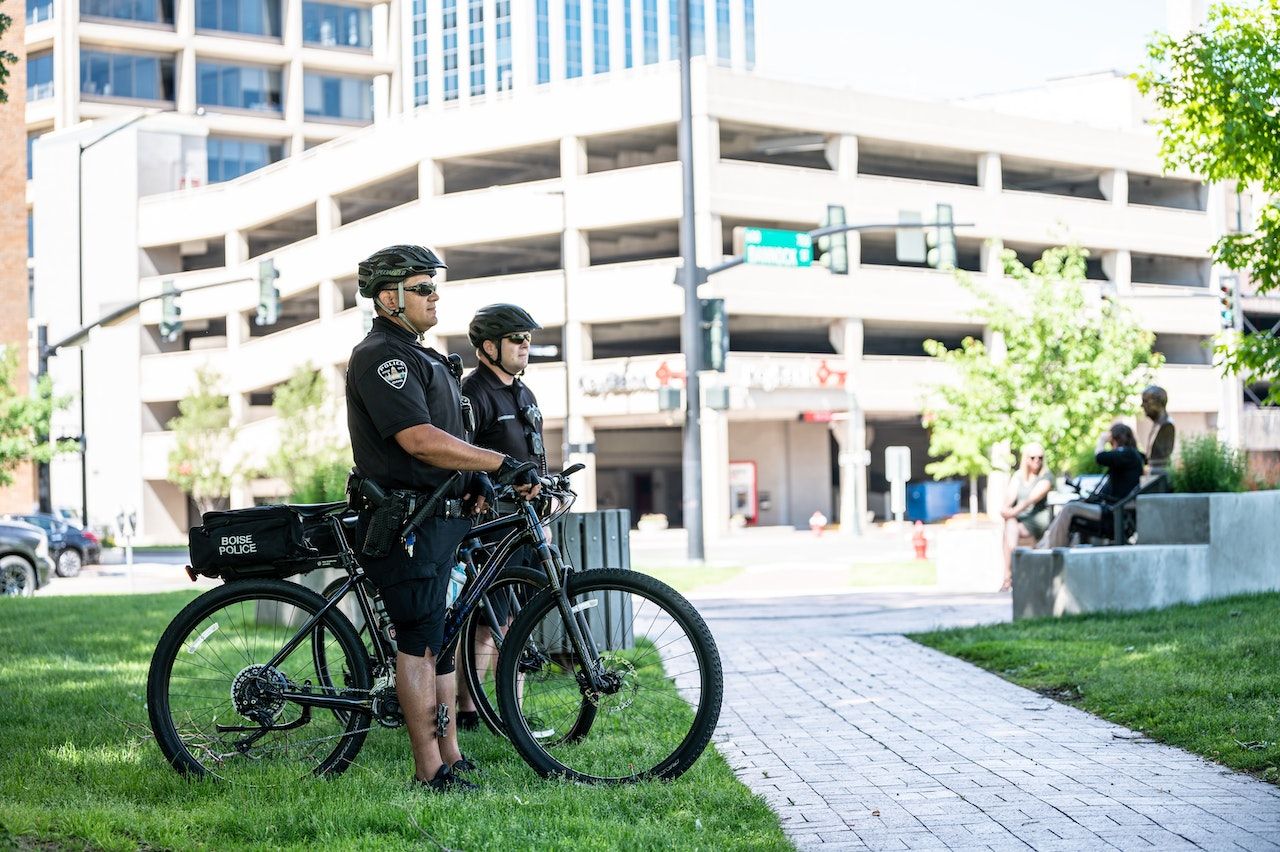
Copwatch (also Cop Watch or Cop-Watch) is a network of activist organizations, typically autonomous and focused in local areas, in the United States, Canada and Europe that observe and document police activity while looking for signs of police misconduct and police brutality.
They believe that monitoring police activity on the streets is a way to prevent police brutality.
The stated goal of at least one Copwatch group is to engage in monitoring and videotaping police activity in the interest of holding the police accountable in the events involving assaults or police misconduct.
They also develop theoretical and practical approaches to security and justice structures to replace the police (abolitionism).
They practice an intersectional critique of capitalism and analyze crime as a consequence of social problems that cannot be fought by surveillance and punishment.
Therefore, they demand social solutions especially in relation to violence in structural power relations (sexist, racist, anti-Semitic violence), an accepting drug approach as well as material security.

The main function of most Copwatch groups is monitoring police activity.
''Cop watchers'' go out on foot or driving patrols in their communities and record interactions between the police, suspects, and civilians.
Cop watchers hope that monitoring police activity will provide a deterrent against police misconduct.
Some groups also patrol at protests and demonstrations to ensure that police do not violate the rights of protesters.
One Copwatch organization states that it has a policy of non-interference with the police, although this may not be true for all groups.
In Phoenix, Arizona cop watchers have increased efforts of "reverse surveillance" on the police in an effort to document racial profiling They believe that Arizona Senate Bill 1070, a controversial law that allows police to question people they believe are illegal immigrants, will increase racial profiling by police.
Copwatch groups also hold "Know Your Rights" forums to educate the public about their legal and human rights when interacting with the police, and some groups organize events to highlight problems of police abuse in their communities.
Copwatch calls for intervention in or critical accompaniment of police controls in order to support those affected, especially by racial or class profiling. Educational work regarding the powers of the police as well as rights towards the police is therefore a focus of the work in order to empower more people for these interventions.

Why we all need to film the police
All law enforcement A.K.A. L.E.O.S. always redact the audio and video from their body cam.
They do this so they will not be held accountable for their actions.
This is why it is so important to record every interaction you with public servants and public officials even if they tell you, that they are also recording.
You need to live stream your interactions with them and tell them that your audio and video recording them, for your safety and protection.
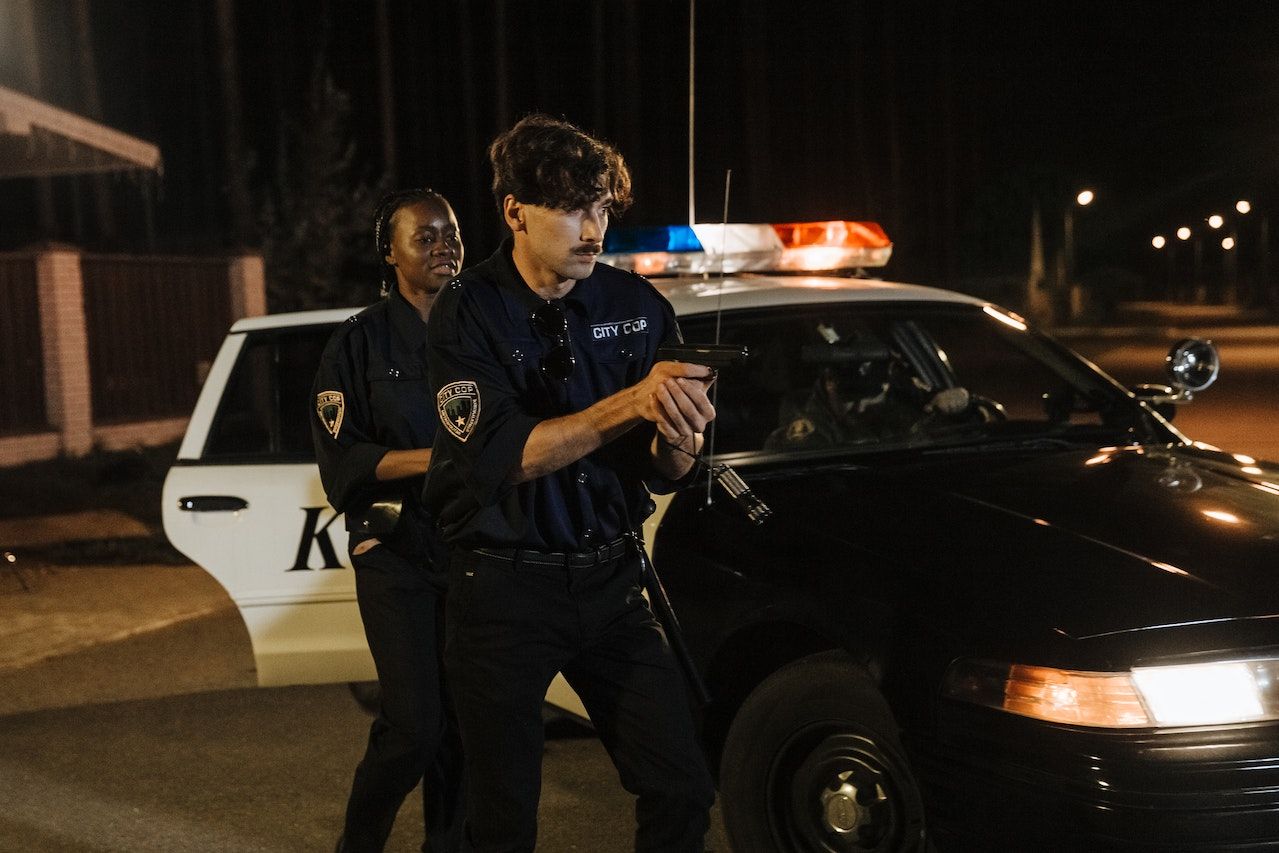
A D.U.I. TEST
It's important to remember that field sobriety tests are a voluntary act and is not required by law.
When a cop stops you to interrogate you, you have legal right to express to the cop how you feel about them.
This is called free speech and is protected under the 1st amendment, and their are several supreme court rulings saying that we are allowed to express about how we feel towards them.
But keep in mind, that they will retaliate against you for exercising your 1st amendment right.
Never give the government consent, and anyone who works for the government needs to have consent from WE THE PEOPLE.
When you are stopped for a D.U.I. you need to refuse all field sobriety test, because once you allow them to do these tests on you, then you are actually helping them to violate your rights.
Once you tell them that you do not consent to their D.U.I. test or any others tests that they try to give you, they will retaliate by threatening you to throw you in jail, but always remember they work for the government which means, they work for us.
And when they threaten you, you need to threaten them, with legal action and then follow through by filling a federal law suit on them.

Can I Refuse to Take Field Sobriety Tests?
There are a number of field sobriety tests an officer may ask you to perform to determine your level of impairment. There is a battery of three tests, however, that are officially endorsed by the National Highway Traffic and Safety Administration (NHTSA):
Horizontal gaze nystagmus (HGN),
Walk-and-turn (WAT), and
One-leg stand (OLS)
Generally speaking, you are not legally required to take these tests, regardless of how many times an officer may ask you to do so. The tests are meant as an investigative aid to the police officer. If asked to complete a field sobriety test, a driver may politely decline to do so or may ask to speak with his or her attorney. Keep in mind: this still may not stop the officer from arresting you for a DUI if he or she believes there is enough probable cause that you are under the influence of alcohol or drugs.
What Are Field Sobriety Tests?
Field sobriety tests are a series of voluntary tests that a driver is asked to complete that demonstrate whether a driver is sober or not. The tests are by nature subjective, which means that it is up to the officer to determine whether you passed or not based on your performance or other factors.
Field sobriety tests are only somewhat reliable. According to the U.S. Department of Transportation, they successfully identify drunken drivers in two-thirds to three-fourths of all DUI cases. This means that for a good number of drivers, the field sobriety tests may suggest that they are drunk even if they are not. This is often due to a variety of factors, including nervousness, medications the driver may be using, and pre-existing difficulties with balance.